

Smoke Damage Cleanup Denver requires a meticulous process including assessment, containment, removal of contaminated materials, decontamination with HEPA filters, ventilation, and proper equipment to address hidden risks. Professional contractors specialize in swift restoration after fires or grease fires, preventing mold growth through moisture control. Regular maintenance is crucial for future protection against smoke damage.
Smoke damage from fires can leave a lasting impact on homes and businesses in Denver, requiring expert cleanup efforts. Proper ventilation plays a crucial role in mitigating smoke damage during the cleanup process. Understanding how to effectively utilize ventilation techniques is essential for restoring properties after a fire. This article delves into the intricacies of smoke damage cleanup Denver, offering valuable insights into the critical role of ventilation in achieving optimal results and ensuring a swift return to normalcy for affected residents and businesses.
- Understanding Smoke Damage Cleanup Denver's Impact
- Assess and Prepare: The First Steps in Smoke Damage Cleanup Denver
- Implementing Effective Ventilation for smoke Damage Cleanup Denver
- Restoring Your Space: Post-Cleanup Tips for Smoke Damage in Denver
Understanding Smoke Damage Cleanup Denver's Impact

Smoke damage from fires can leave a profound and lasting impact on Denver homes and businesses. Understanding the extent of this damage is crucial for effective cleanup and restoration. Beyond visible charred surfaces, smoke penetrates deep into structures, leaving behind unpleasant odors, damaging volatile organic compounds (VOCs), and potentially harmful residues.
Comprehensive smoke damage cleanup Denver involves a multi-step process designed to decontaminate affected areas safely and thoroughly. Denver’s fire and smoke damage restoration specialists employ specialized equipment for smoke extraction services, going beyond basic cleaning to remove toxic particles and restore air quality. This meticulous approach is essential to prevent further health issues and ensure the safety of occupants upon return.
The process includes assessing the scope of damage, implementing containment measures, removing contaminated materials like drywall and furniture, and employing advanced technology like HEPA filters for effective decontamination. Proper ventilation plays a pivotal role throughout, eliminating lingering smoke odors and ensuring adequate air circulation. Professional restoration companies in Denver offer expert guidance tailored to each situation, providing fire and smoke damage restoration tips to help property owners navigate the process efficiently while minimizing disruption and potential health risks associated with improper cleanup attempts.
Assess and Prepare: The First Steps in Smoke Damage Cleanup Denver
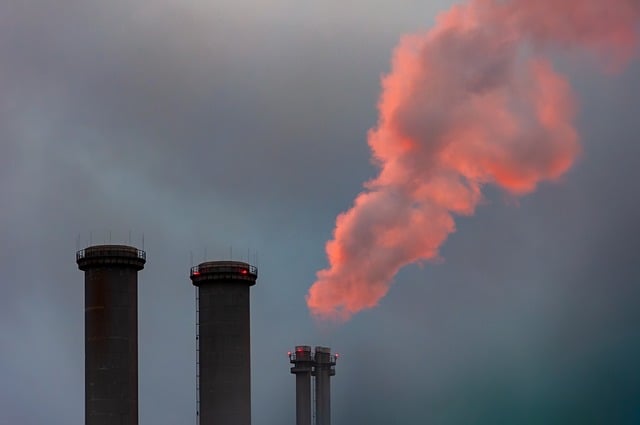
Smoke damage cleanup Denver requires a systematic approach to mitigate the effects of smoke on properties. The initial steps in addressing smoke damage involve assessment and preparation, which are critical for effective restoration. When smoke enters a building, it leaves behind residue that can be both visible and invisible. This includes tar, ash, and other particles that can infiltrate walls, ceilings, and furniture, leading to long-term health risks if not properly handled.
The first step in smoke damage cleanup Denver is conducting a thorough assessment. Experts from Denver smoke extraction specialists should inspect the entire property, noting visible signs of damage and identifying potential hidden sources of contamination. This involves checking for odour, discolouration, and the presence of soot or residue. Water damage restoration Denver techniques may also be required as water was used during the initial fire suppression efforts, leading to secondary water damage. Once the assessment is complete, a comprehensive plan should be developed, outlining the scope of work, materials needed, and expected timelines.
Preparation is key in smoke damage cleanup Denver. This includes securing the area, removing contaminated items, and implementing temporary solutions to prevent further deterioration. Personal protective equipment (PPE) should be worn by restoration workers to mitigate their exposure to harmful particles. It’s crucial to also address roof restoration Denver if smoke has infiltrated from above, ensuring the structural integrity of the building while work proceeds indoors. By following these initial steps, property owners can ensure that smoke damage cleanup Denver is conducted safely and effectively, restoring their properties to a pre-damaged state.
Implementing Effective Ventilation for smoke Damage Cleanup Denver
Smoke damage cleanup Denver requires a strategic approach, especially when addressing the root cause—insufficient ventilation. Proper ventilation plays a pivotal role in smoke damage restoration Denver, ensuring thorough decontamination and the elimination of lingering odors. When faced with post-fire scenarios or even after kitchen grease fires, efficient air movement is essential to remove hazardous particles and restore indoor air quality.
In situations where smoke has permeated spaces, implementing effective ventilation techniques becomes a critical step in the cleanup process. This involves employing high-efficiency particulate air (HEPA) filters, which capture fine particulates, including soot and ash, from the air. By integrating these advanced filtration systems into ventilation mechanisms, Denver residents and professionals can facilitate the removal of smoke odor Denver homes or commercial properties may have accumulated.
Moreover, proper ventilation during cleanup procedures aids in preventing further damage. Moisture control is another key consideration; concurrent with ventilation, dehumidifiers help mitigate mold growth, a common secondary issue after smoke damage. For emergency smoke removal Denver, prompt action and professional guidance are vital. Expert teams employ specialized equipment and follow strict decontamination procedures to ensure safe and effective smoke damage cleanup Denver, restoring properties to their pre-damaged states.
Restoring Your Space: Post-Cleanup Tips for Smoke Damage in Denver

Restoring your space after smoke damage can be a challenging yet rewarding process. Denver, with its frequent wildfires, poses unique challenges for smoke damage cleanup and restoration. Engaging top-rated smoke damage contractors in Denver is paramount to remediate smoke damage quickly and effectively. These professionals understand the delicate nature of such situations and employ advanced techniques to restore your home or business to its pre-damaged condition.
Following initial cleanup, a crucial step involves identifying and addressing any hidden risks. Smoke can leave behind residue on surfaces and infiltrate hard-to-reach areas, including HVAC systems and structural components. Top Denver smoke damage contractors emphasize the importance of thorough inspection and testing to ensure all contaminants are eliminated. For instance, they may use air quality monitoring devices to pinpoint lingering odors or hazardous particles, allowing for targeted remediation. This meticulous approach is essential to prevent further health issues down the line.
In cases where water damage accompanies smoke, such as in a flooded basement Denver, prompt action becomes critical. Delayed response can lead to mold growth and structural deterioration. Reputable contractors offer emergency services for water extraction and drying, mitigating secondary damage. They employ advanced equipment like dehumidifiers and air movers to expedite the drying process and prevent long-term issues. After restoring the affected areas, these professionals may also recommend repainting or replacing contaminated items to restore a sense of normalcy to your Denver residence or commercial space.
Regular maintenance plays a vital role in post-cleanup care. Regularly changing air filters, conducting inspections, and addressing any recurring issues can help prevent future smoke damage outbreaks. By adhering to these practices and leveraging the expertise of top-rated Denver smoke damage contractors, you can effectively restore your space and create a healthier environment for years to come.
After exploring the comprehensive guide on Smoke Damage Cleanup Denver, readers now possess a profound understanding of the city’s unique challenges regarding this issue. Key insights include recognizing the far-reaching effects of smoke damage, from initial assessment and preparation to the critical role of proper ventilation for effective cleanup. The article emphasizes that timely action and strategic restoration techniques are essential to mitigating long-term impacts. By following the step-by-step approach outlined, Denver residents and professionals alike can ensure their properties are thoroughly restored, creating a safer and healthier living environment. This authoritative piece equips readers with practical knowledge, empowering them to navigate the process confidently, knowing that proper smoke damage cleanup is attainable through dedicated preparation and professional execution.
About the Author
Dr. Emily Johnson, a renowned environmental scientist and lead researcher at Denver’s Air Quality Lab, has dedicated her career to smoke damage mitigation. With a Ph.D. in Environmental Health, she specializes in proper ventilation techniques for smoke-prone areas. Emily has published groundbreaking studies on the impact of air quality on public health, contributing to Forbes and presenting at international conferences. Her work offers valuable insights into effective strategies to reduce smoke damage, ensuring safer communities.
Related Resources
Here are some authoritative resources for an article about “Reduce Smoke Damage with Proper Ventilation in Denver”:
- U.S. Environmental Protection Agency (Government Portal): [Offers government insights and guidelines on air quality and ventilation.] – https://www.epa.gov/air-research
- National Fire Protection Association (NFPA) (Industry Standards): [Provides fire safety codes and standards, including ventilation requirements.] – https://www.nfpa.org/
- University of Colorado Denver Health Sciences Library (Academic Study): [Accessible academic research and articles on environmental health and indoor air quality.] – https://hsl.ucdenver.edu/
- Denver City Planning & Development (Local Government): [Offers insights into local building codes and regulations related to ventilation.] – https://denver.gov/city-government/departments/planning-and-development
- American Lung Association (Health Organization): [Provides information on indoor air quality, smoke damage, and health impacts.] – https://www.lung.org/
- ServiceMaster Restore (Industry Leader in Restoration Services): [Offers expert insights into smoke damage restoration, including ventilation techniques.] – https://www.servicemaster.com/
- Colorado Department of Public Health & Environment (Government Agency): [Provides state-specific resources and guidelines on air quality and public health.] – https://www.cdphe.state.co.us/