
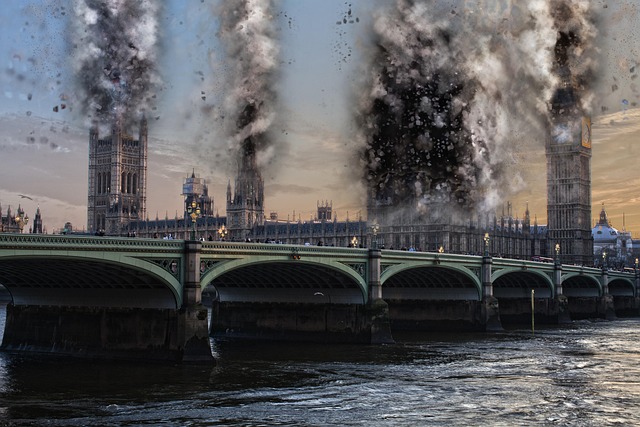
Smoke Damage Cleanup Denver requires specialized knowledge and advanced techniques to mitigate health risks from fire residues. ARC Restoration uses state-of-the-art equipment like molecular filtration systems for effective restoration, enhanced air quality, and peace of mind. The process involves multi-stage approaches including assessment, containment, decontamination, and restoration with eco-friendly methods. Regular maintenance and prompt water damage repair are crucial. Timely, professional cleanup minimizes long-term health effects through advanced air purification, non-toxic cleaning agents, and thermal imaging.
Smoke damage from fires is a significant concern for Denver residents and businesses. Effective smoke cleanup and restoration are essential to preserving indoor air quality, minimizing health risks, and restoring properties to their pre-disaster condition. In this authoritative guide, we explore the best eco-friendly smoke removal solutions tailored for Denver’s unique needs. We delve into advanced techniques, environmentally conscious products, and expert strategies to ensure a thorough Smoke Damage Cleanup Denver, offering valuable insights for both property owners and professionals in the post-fire recovery process.
- Understanding Smoke Damage Cleanup Denver Specialties
- Choosing Effective Eco-Friendly Smoke Removal Methods
- Step-by-Step Guide to Denver's Best Smoke Damage Restoration
- Benefits and Innovations in Green Smoke Cleanup Techniques
- Local Experts Share Top Tips for Smoke Damage Recovery Denver
Understanding Smoke Damage Cleanup Denver Specialties
Smoke damage cleanup Denver specialties require a profound understanding of the intricate process involved in restoring homes after a fire. Professional fire and smoke damage restorers like ARC Restoration are adept at mitigating the effects of smoke, a silent yet powerful destructive force. Unlike visible flame damage, smoke leaves behind subtle but insidious residues that can linger for months if not properly addressed. These residues, composed of ash, soot, and various pollutants, can permeate every nook and cranny of a structure, affecting both tangible and intangible aspects—from structural integrity to air quality and even emotional well-being of residents.
ARC Restoration employs advanced techniques tailored specifically for smoke damage cleanup Denver homes. Their methodical approach includes several key steps: containment to prevent further contamination, air purification to remove noxious fumes, decontamination of surfaces using specialized equipment, and restoration of affected areas to their pre-fire condition. This comprehensive strategy ensures not just the visible repair but also the health and safety of residents returning to their homes. For instance, ARC Restoration may use molecular filtration systems that surpass industry standards for air quality, ensuring that every trace of smoke is eliminated.
Data from recent studies highlight the importance of professional intervention. According to the National Fire Protection Association (NFPA), fire and smoke damage can cause long-term health issues if not properly mitigated. This is especially critical in Denver’s bustling urban landscape where buildings often house diverse businesses and residents. By prioritizing ARC Restoration and other reputable services, property owners can expect not only a restored structure but also peace of mind knowing their well-being is a top priority.
Choosing Effective Eco-Friendly Smoke Removal Methods

When it comes to Denver smoke damage cleanup, choosing effective eco-friendly methods is paramount for both restoring your property and safeguarding the environment. Traditional smoke removal techniques often rely on harsh chemicals that can leave behind residual odors and contaminate indoor air quality. In contrast, eco-friendly practices offer a safer, healthier alternative, especially for areas like Denver with its unique environmental considerations.
Effective smoke damage decontamination involves a multi-step process tailored to the extent of the damage. For instance, after a fire or smoke incident in Denver, professionals should start by assessing the affected areas, focusing on items that absorb and retain odors, such as carpets, upholstery, and curtains. Specially designed smoke removal machines can then be employed to extract and neutralize odor-causing compounds from these surfaces. This method is particularly effective for removing stubborn smoke smells that persist even after traditional cleaning.
In addition to equipment, eco-friendly Denver smoke damage restoration often incorporates natural cleaning agents like enzymatic cleaners or essential oils. These alternatives break down odor molecules without releasing harmful volatile organic compounds (VOCs). For example, enzymes derived from bacteria can effectively digest and remove smoke-related compounds from fabrics and hard surfaces. Similarly, citrus or pine needle essential oils have long been used for their air-purifying properties, offering a refreshing scent while eliminating unwanted odors.
Regular maintenance plays a crucial role in smoke damage prevention. Regularly replacing filters in HVAC systems and ensuring proper ventilation can significantly limit the extent of odor issues post-fire or -smoke damage. Moreover, promptly addressing any water damage that often accompanies fire incidents is essential for preventing mold growth and further complications. By combining these proactive measures with advanced eco-friendly techniques, Denver residents can effectively restore their homes to a safe, pleasant, and healthy state after experiencing smoke damage.
Step-by-Step Guide to Denver's Best Smoke Damage Restoration

Smoke damage from fires or other incidents can leave behind a lingering impact on Denver properties, requiring specialized attention for thorough cleanup and repair. This step-by-step guide delves into the best smoke damage cleanup Denver residents and businesses can trust to restore their spaces effectively. Understanding the process involves several crucial stages: assessment, containment, removal, and restoration. First, professionals inspect the affected areas, identifying the extent of damage and the type of contaminants present. Next, they contain the area to prevent further spread of hazardous materials, ensuring safety for occupants and technicians alike.
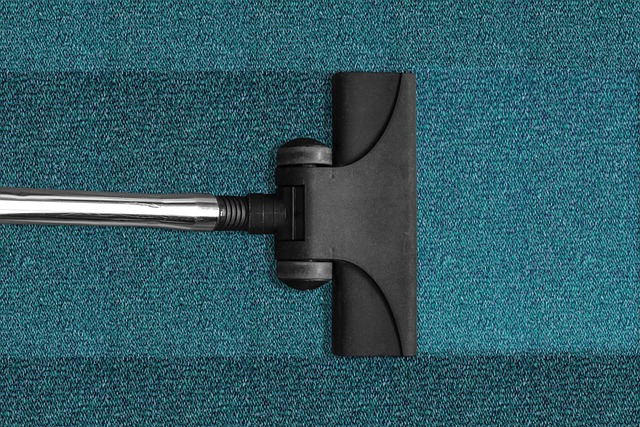
The heart of smoke damage repair lies in meticulous removal techniques. Experts employ specialized equipment like HEPA vacuums and air scrubbers to eliminate visible debris and fine particulate matter from surfaces and the air. This step is vital to mitigate health risks associated with inhaling toxic fumes and particles lingering after a fire. Once the area is thoroughly cleaned, technicians address structural elements, such as walls and ceiling tiles, that may have absorbed smoke and odors deeply. This comprehensive smoke damage abatement involves advanced cleaning solutions tailored to specific materials, ensuring removal of stubborn residues without damaging underlying structures.
Following thorough cleaning, restoration begins. Denver smoke cleanup specialists use top-of-the-line products and methods to return affected areas to their pre-damage condition. For walls, this might involve repainting or applying special treatments to neutralize odors and prevent future discoloration. For textiles and furnishings, deep cleaning or replacement may be necessary. The final step ensures that all contaminants are eliminated, providing peace of mind for property owners. Engaging the services of seasoned Denver smoke damage restorers guarantees a thorough, safe, and efficient recovery process, allowing residents and businesses to reclaim their spaces with confidence.
Benefits and Innovations in Green Smoke Cleanup Techniques

Denver’s eco-friendly smoke removal solutions have evolved significantly, offering more effective and sustainable approaches to remediate smoke damage quickly. This shift towards green methods not only minimizes environmental impact but also provides healthier living spaces for residents post-fire or smoke incident. For instance, advanced air purification systems equipped with HEPA filters effectively trap fine particulate matter, ensuring cleaner air during and after the cleanup process.
One of the most innovative techniques in Denver smoke cleanup and restoration involves non-toxic cleaning agents and thermal imaging technology. These tools enable professionals to pinpoint hot spots and targeted areas of contamination, allowing for more precise and efficient remediation. For example, using infrared cameras, experts can visually detect charred materials and hidden smoke damage, which traditional methods might miss. This level of detail is crucial in ensuring every inch of a property is thoroughly cleaned and restored.
Best practices for smoke damage involve a multi-step approach that combines advanced technology with natural, eco-friendly products. First, the affected area must be sealed off to prevent further contamination. Next, specialized equipment like negative air machines and dehumidifiers are employed to remove moisture and odors associated with smoke. Afterwards, certified restoration technicians use green cleaning solutions proven effective against bacteria, viruses, and hazardous gases without leaving behind harsh residues. This comprehensive strategy not only restores damaged properties but also upholds the health and well-being of residents.
Local Experts Share Top Tips for Smoke Damage Recovery Denver
When faced with smoke damage, timely and effective cleanup is crucial for restoring homes and ensuring health safety. Denver residents lucky to have local experts share their top tips for navigating this challenging process. The first step in smoke damage cleanup Denver specifically involves identifying the source of pollution, which can be from burning materials like wood, plastics, or fabrics. This distinction guides the subsequent decontamination strategies.
Local best smoke cleanup companies in Denver employ advanced equipment to remove visible debris and charred residues. They utilize air scrubbers and negative-pressure ventilation systems to filter contaminated air, minimizing the spread of particulate matter. For instance, a study by the U.S. Environmental Protection Agency (EPA) found that professional intervention can reduce indoor air pollution levels by up to 90%. Beyond physical cleanup, these companies offer advice on how to get rid of smoke smell, emphasizing the importance of source removal, adequate ventilation, and using odor neutralizers.
Restoring homes after a fire is a meticulous process, requiring a multi-step approach. It starts with structural assessment, ensuring the safety of the building. Then, professionals address specific smoke damage cleanup Denver areas like soot removal from surfaces and restoration of affected items. Proper disposal of contaminated materials is also critical to prevent further health risks. For example, charred insulation and drywall should be replaced due to their potential to harbor toxic mold if not properly decontaminated.
Experts advise that residents involved in smoke damage cleanup Denver consider the expertise and credentials of service providers. Certified companies follow industry standards for restoration, ensuring comprehensive cleaning and minimizing long-term health effects associated with residual smoke and soot. Regular monitoring of air quality during and after cleanup is recommended to ensure safe living environments.
Denver’s best eco-friendly smoke removal solutions offer a powerful combination of advanced techniques and sustainable practices for effective Smoke Damage Cleanup Denver. Understanding the unique challenges of smoke damage, choosing the right methods, and following a comprehensive step-by-step guide are key insights gained from this article. The benefits of green cleanup techniques, as shared by local experts, highlight innovations that revolutionize recovery processes, ensuring not only efficient restoration but also minimal environmental impact. By embracing these eco-conscious approaches, Denver residents can trust that their homes and properties will be restored to their pre-loss conditions while preserving a healthier, greener future.